
MoMA: choose a question, not a floor count
The Museum of Modern Art is too large to “complete” meaningfully in one visit. Start with a medium, artist or question that interests you, then let nearby galleries complicate it. A focused route leaves more room to look than a race through famous works.
Check current exhibitions, admission and access information through MoMA’s official visitor guidance. Pair the museum with one Midtown walk rather than another major interior.
Broadway: begin with the kind of evening you want
“See a Broadway show” is advice without a point of view. Decide whether the priority is a particular performer, a new play, a large musical or simply the shared energy of live theatre. That choice determines date flexibility, seat location and budget.
Compare official box-office inventory and, for same-day possibilities, review TKTS by TDF. Avoid unofficial sellers whose fees or ticket terms are unclear.
Central Park: enter with a route
Central Park is not a green pause between attractions; it is a landscape with history, neighbourhood edges and distinct sections. A first walk might connect the Mall and Bethesda Terrace, while a return visit can focus on the north end or the history of Seneca Village.
The Central Park Conservancy’s guide provides routes and context. Choose an entrance that fits the neighbourhood you are already exploring.
A skyline view: understand what you are looking at
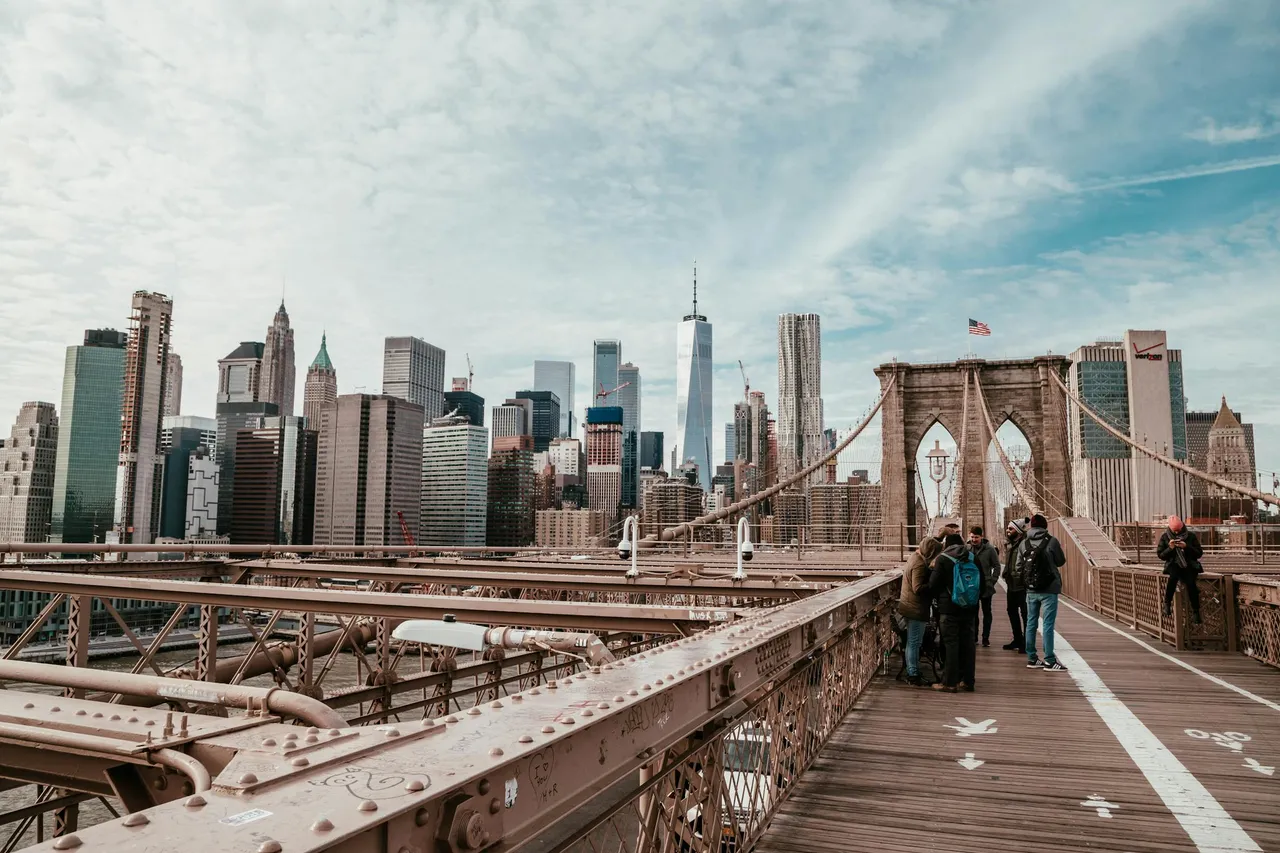
The Empire State Building remains one way to see Manhattan’s scale, but the useful decision is broader: choose one observation point, consider daylight versus night and learn the orientation of the rivers, bridges and boroughs before you arrive.
For the Empire State Building, verify timed entry and accessibility on the official visitor page. Weather can matter more than the nominally perfect hour.
Greenwich Village: follow a story through the streets
The Village is not simply “nightlife.” Its streets connect music, theatre, LGBTQ+ history, immigrant life, universities and long-running arguments about who gets to shape the neighbourhood. Choose a venue or historical thread, then walk around it with attention.
This is the difference human curation makes: the same five names can become five very different New York days. Continue with our guide to getting around New York City and our perspective on photographing its neighbourhoods.
More perspectives on New York City, a Tiplr Smart Destination.
Why this story looks different
The original idea remains, but the reporting now centres current primary information, realistic planning and the choices that make a journey more personal.