Begin with a story, not a landmark count
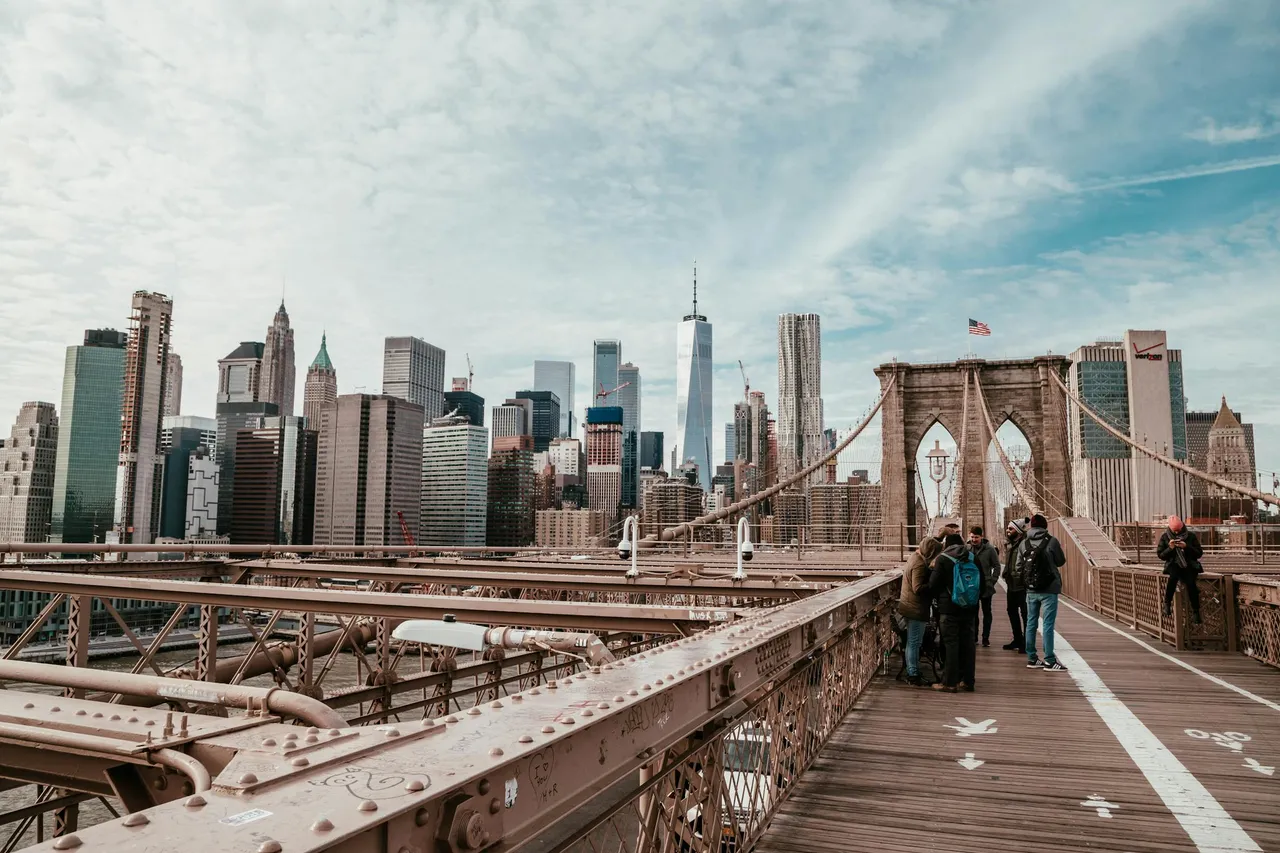
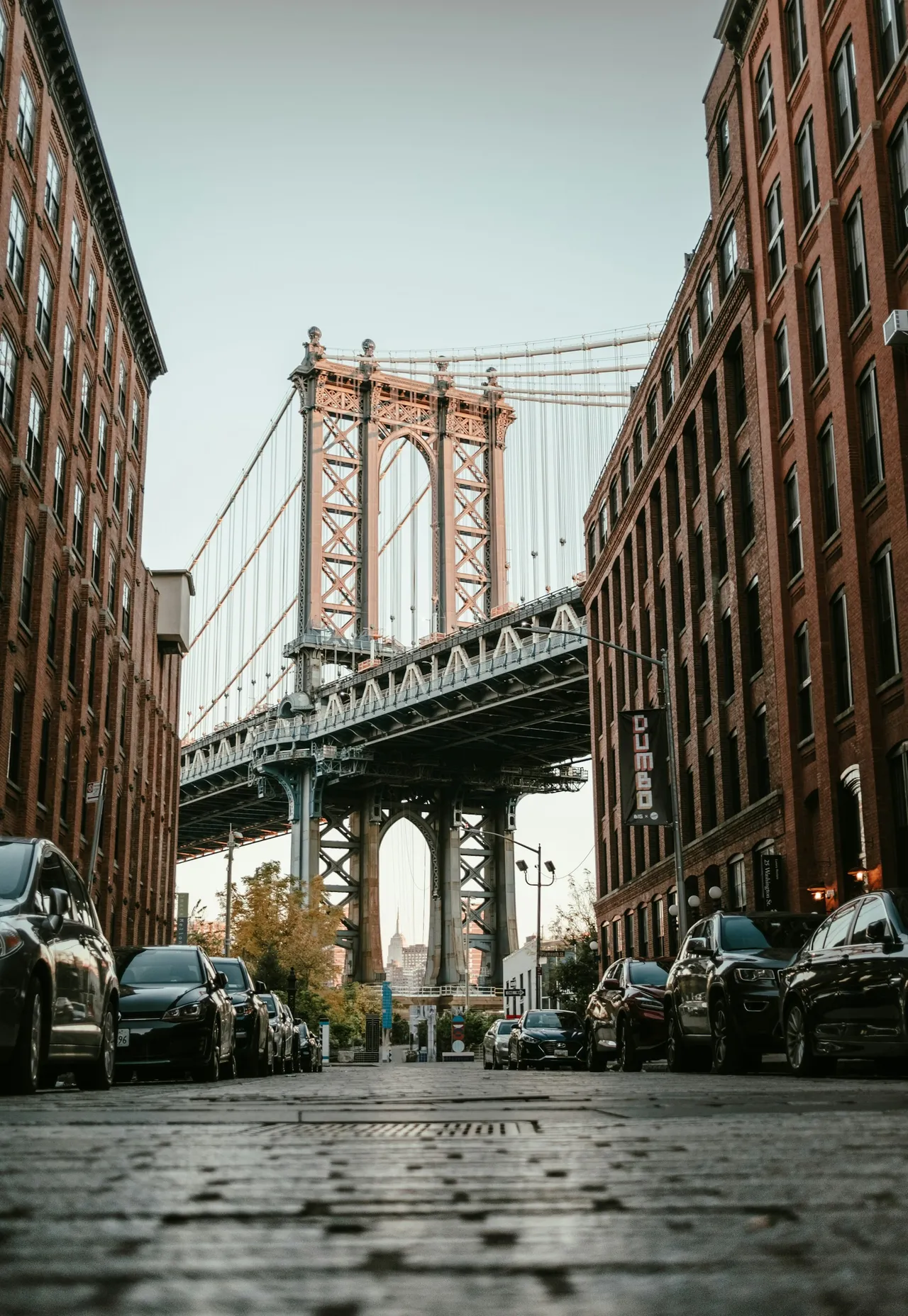
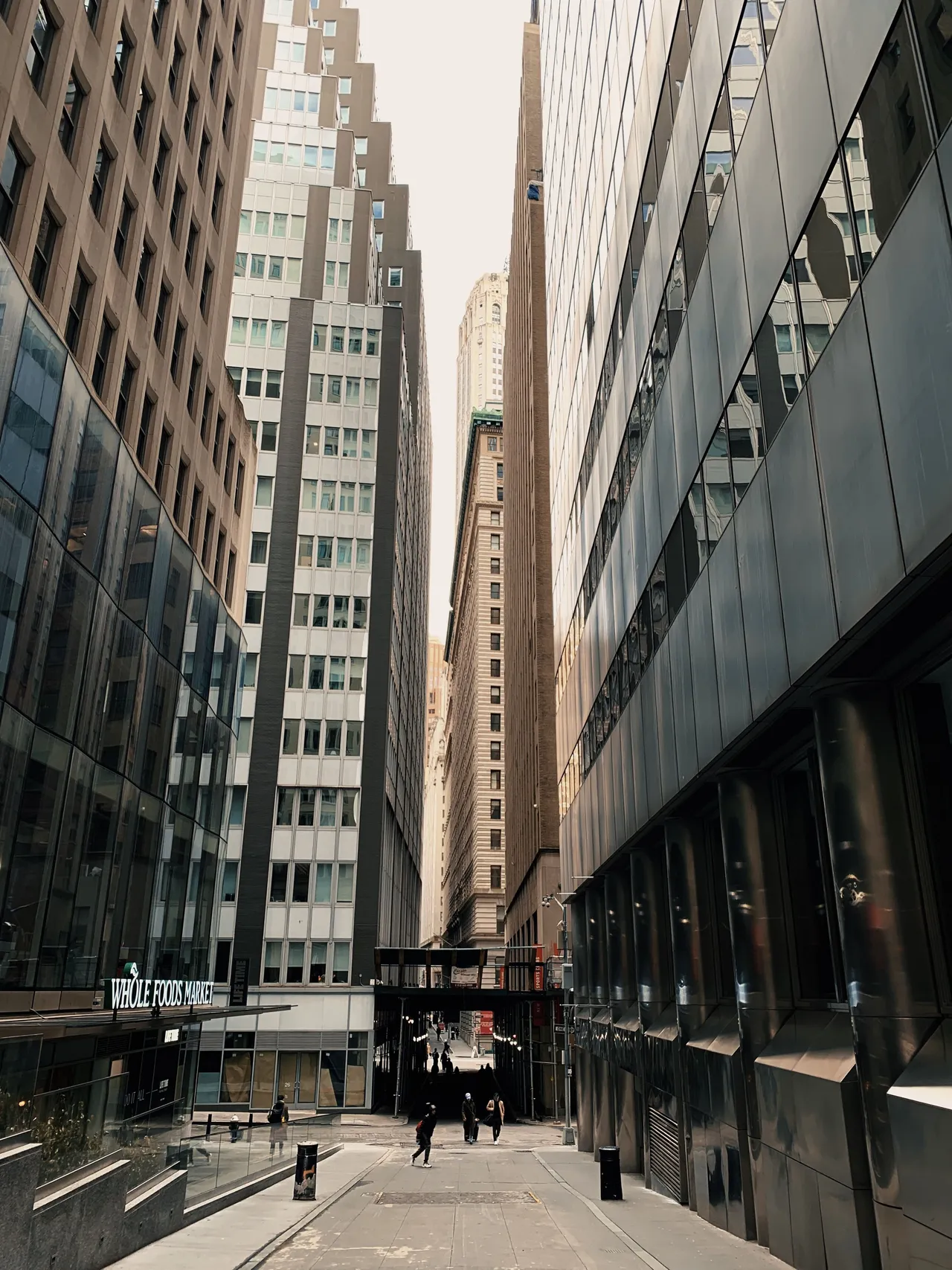
SoHo cast iron, Harlem streets, Brooklyn brownstones and Midtown towers produce different pictures because they represent different histories and scales. Choose one area and ask what you are trying to show.
The phrase “hidden gem” adds little. Public places already belong to communities; learn the context instead of presenting discovery as ownership.
Use changing conditions
Early light, hard midday shadows, rain reflections and blue hour all reshape the same block. Check the weather, protect equipment and leave enough time to wait safely rather than running between famous viewpoints.
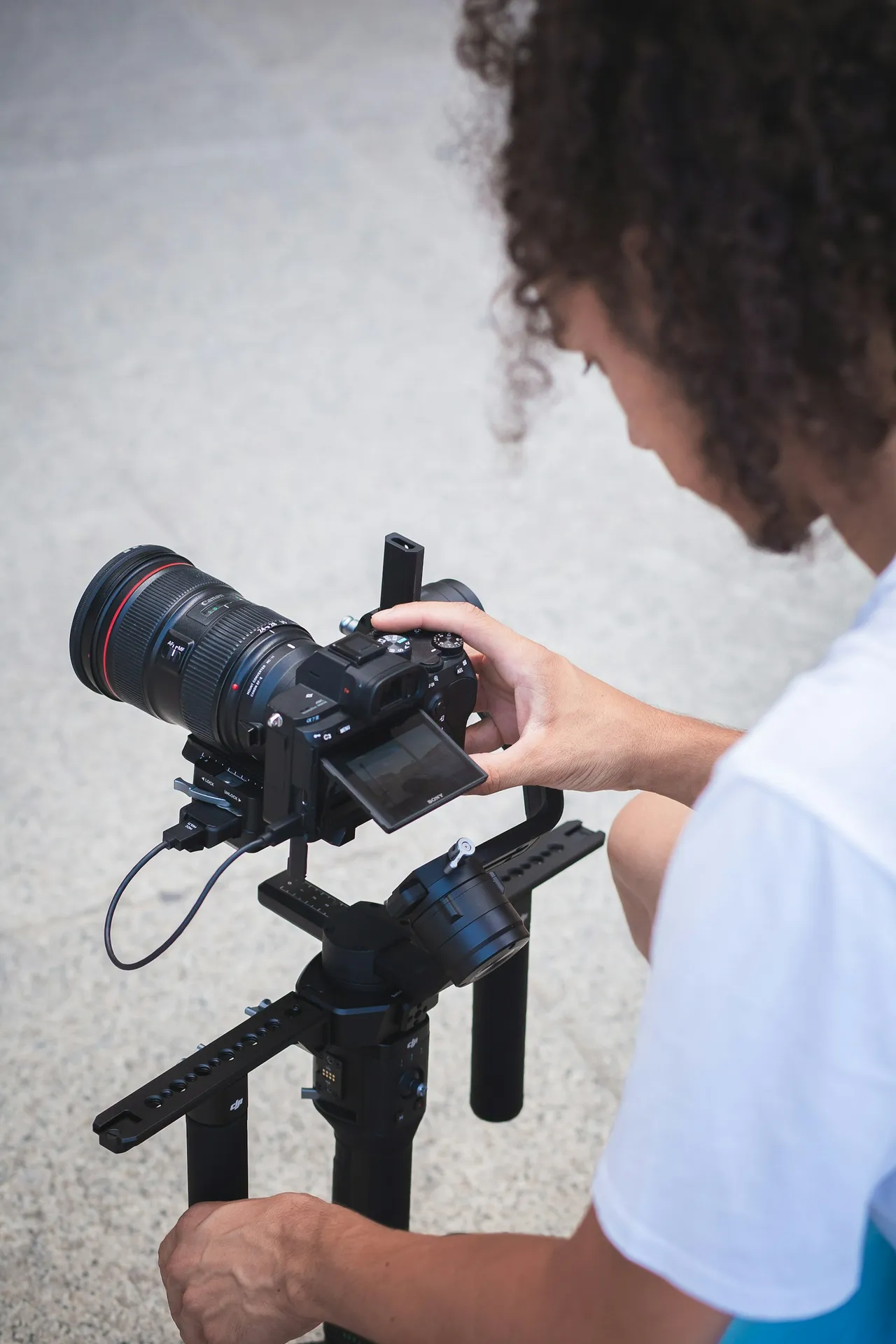
A phone is often less intrusive and more practical than a large setup. The best camera is the one you can use without losing awareness of traffic and people.
Photograph people respectfully
Street photography has a legal history in New York, but legality is not the only standard. Do not obstruct, pursue or humiliate people. Ask permission for close portraits when the relationship matters, and be especially careful around children and vulnerable situations.
Commercial shoots, tripods or organised sessions may require permissions in some spaces. Check the relevant property or park rules.
A photography tour: what to ask
The original article promoted guided photo walks without naming a provider. Before buying one, distinguish between instruction, a portrait session and a historical tour. Confirm group size, route, image delivery, weather policy and usage rights.
Pair this story with our current New York transport guide or explore Brooklyn by neighbourhood.
More perspectives on New York City, a Tiplr Smart Destination.
About this edition
Revised from the original 2024 article. Unsupported claims, expired promotions and obsolete practical information were removed or corrected. Primary links help verify time-sensitive details.