A season, not a race through a calendar
The original Tiplr article brought together many reasons to visit Florence in spring. This edition keeps the strongest thread: art and city traditions can shape a visit just as much as the monuments do.
What changes is the way the calendar is presented. Events that have finished remain in the story as part of 2026, not as invitations to book now. For another spring, return to the organisers’ announcements rather than assuming the same dates or programme.
The official Florence 2026 calendar supplies the broader context. Our selection is deliberately shorter than a comprehensive events listing.
Rothko at Palazzo Strozzi
The Mark Rothko exhibition at Palazzo Strozzi ran from 14 March to 23 August 2026. It gave the spring calendar a major visual-art focus and a reason to let an exhibition, rather than a monument checklist, anchor a day.
For a future visit, look at Palazzo Strozzi’s current programme. The useful lesson is not to repeat a finished exhibition but to make room for sustained looking: one carefully chosen show can offer more than a string of rushed museum visits.
March: the city gathers outside
Florence’s Capodanno tradition was marked on 25 March. Later that week, the Firenze Flower Show was scheduled for 28–29 March and the Half Marathon for 29 March. Those details belong to the March 2026 programme.
For a traveler, a public event can be both an opportunity and a practical consideration. A race changes how streets work for part of a day; a flower event gives a garden a different atmosphere. Plan around the event you actually want to experience instead of discovering it only when a route is blocked.
Even without a booking, the season gives you a reason to walk more slowly. Notice the squares and gardens between the headline sights, and leave a little space for the city’s own calendar.
Easter and the work of making things
In 2026, Easter Sunday fell on 5 April, the date associated with Florence’s Scoppio del Carro. It is a city tradition to understand through the official arrangements for that year, not a guarantee of an easy viewpoint or an unrestricted route through the centre.
MIDA’s 90th edition, the international craftsmanship exhibition, ran from 25 April to 3 May at the Fortezza da Basso. It offered another perspective on Florence: not only a city that preserves beautiful objects, but a place where the act of making remains part of the conversation.
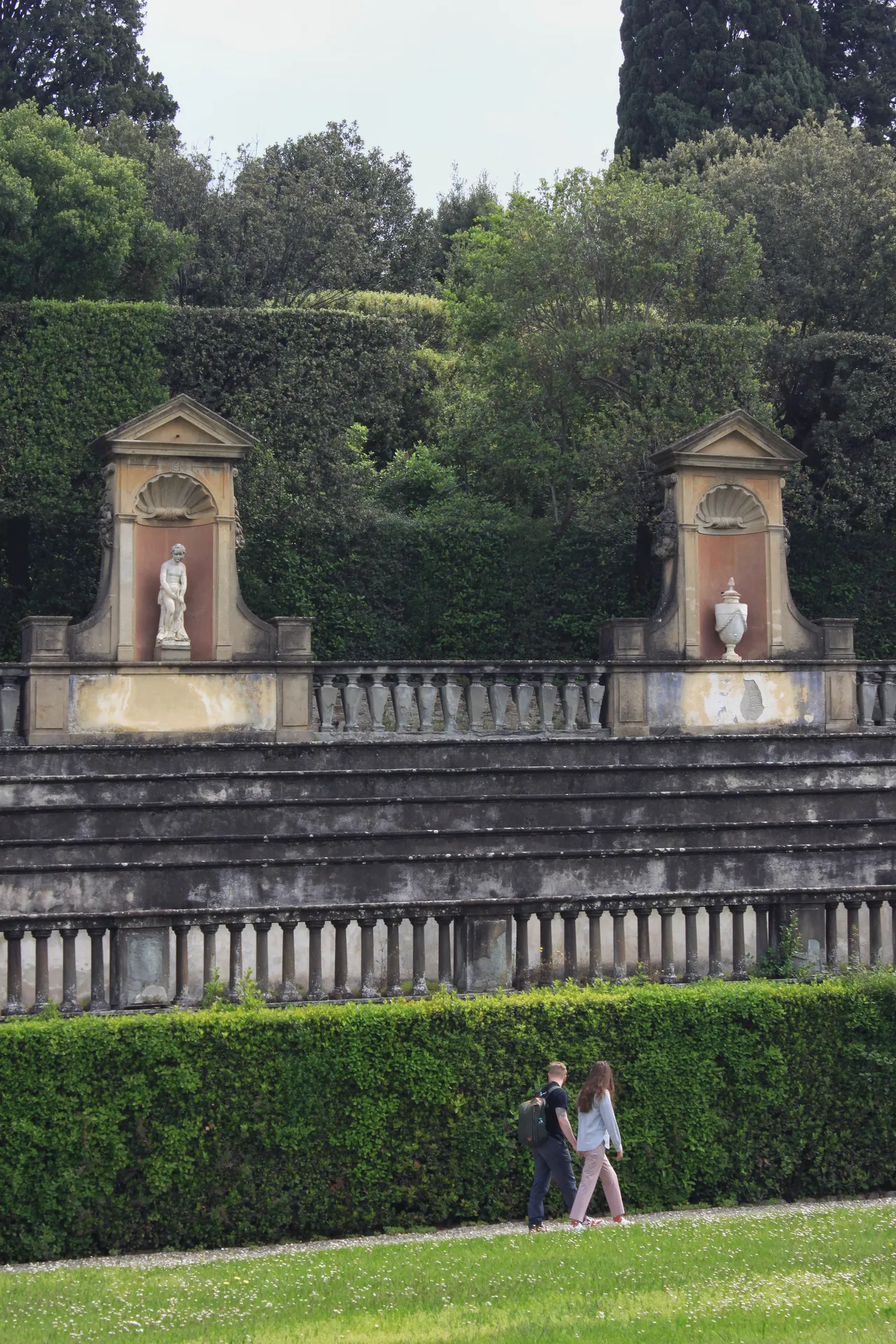
The Iris Garden’s seasonal opening also belongs to this spring story. Flowering and access should always be checked for the actual season; a remembered opening date is not a promise about what will be in bloom when you arrive.
How we would shape a spring day
Choose one appointment: an exhibition, a garden visit or an event that matters to you. Spend the rest of the day in the surrounding area rather than criss-crossing Florence to fill gaps. A long lunch or a walk across the Arno can make the day feel complete.
Keep an alternative for rain and avoid assuming that every museum is free on a particular Sunday. Eligibility, participating institutions and reservation rules differ; check the institution itself before building a day around free admission.
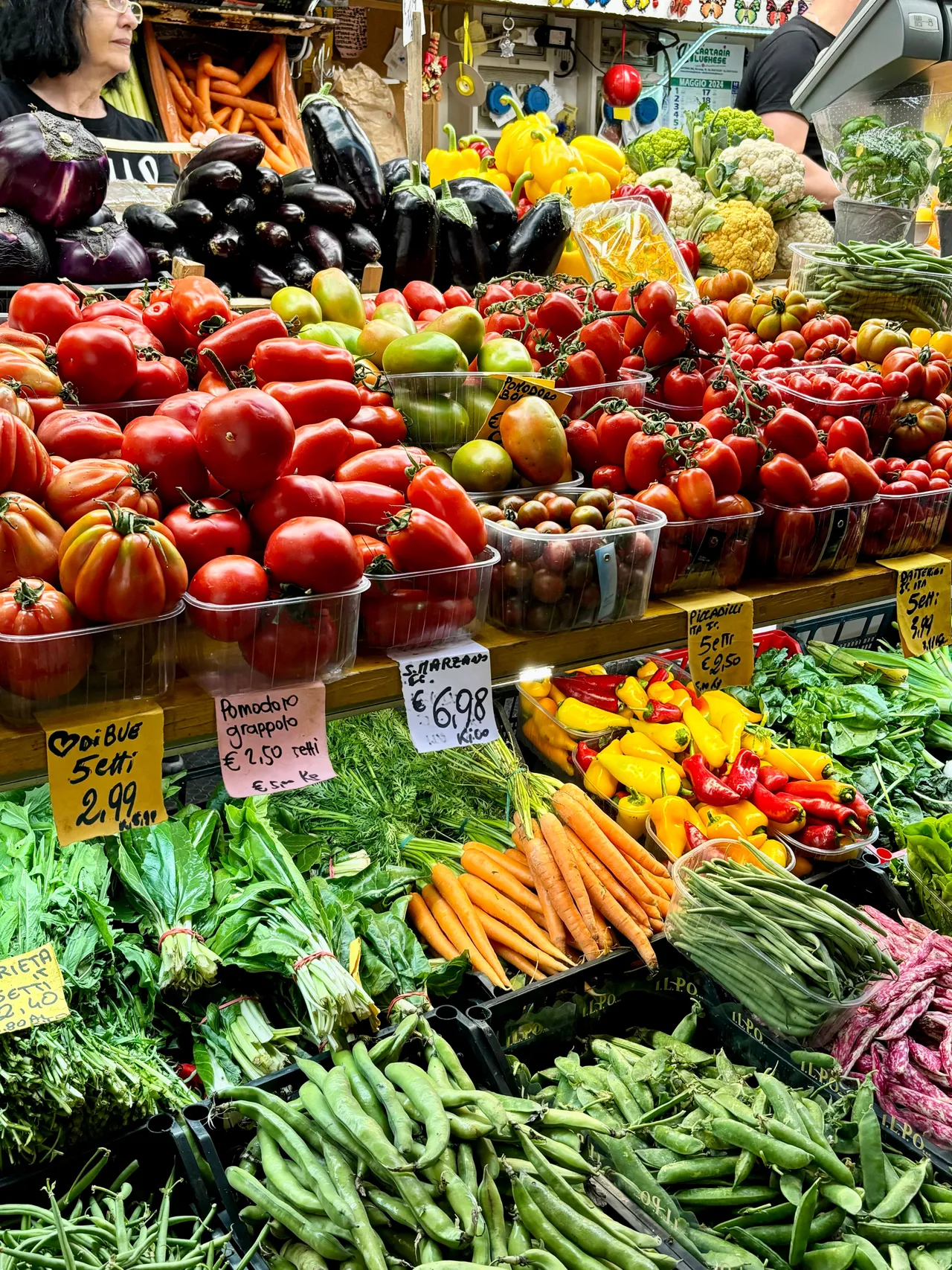
For the food side of the city, our reports on Taste Florence and Eccellenza di Toscana introduce other parts of the 2026 calendar. They are distinct events, not additional spring dates to copy into a future itinerary.
Beyond spring
The original selection also reached into June’s music season. This revised spring story keeps its focus rather than stretching into a year-round list. For current concerts and later-season events, use the official destination calendar and the organisers’ own ticket information.
If you are traveling in the heat instead, continue with our summer Florence itinerary. The places may overlap, but the rhythm should not: a spring afternoon outdoors and a high-summer afternoon call for different plans.
More perspectives on Florence, a Tiplr Smart Destination.
About this edition
Revised by the Tiplr Editorial Team from our original 2026 article. Official references are linked where they help you check dates, access or services. Past event details are retained as historical context. For a new trip, confirm time-sensitive information directly before booking.