Inside the Fortezza
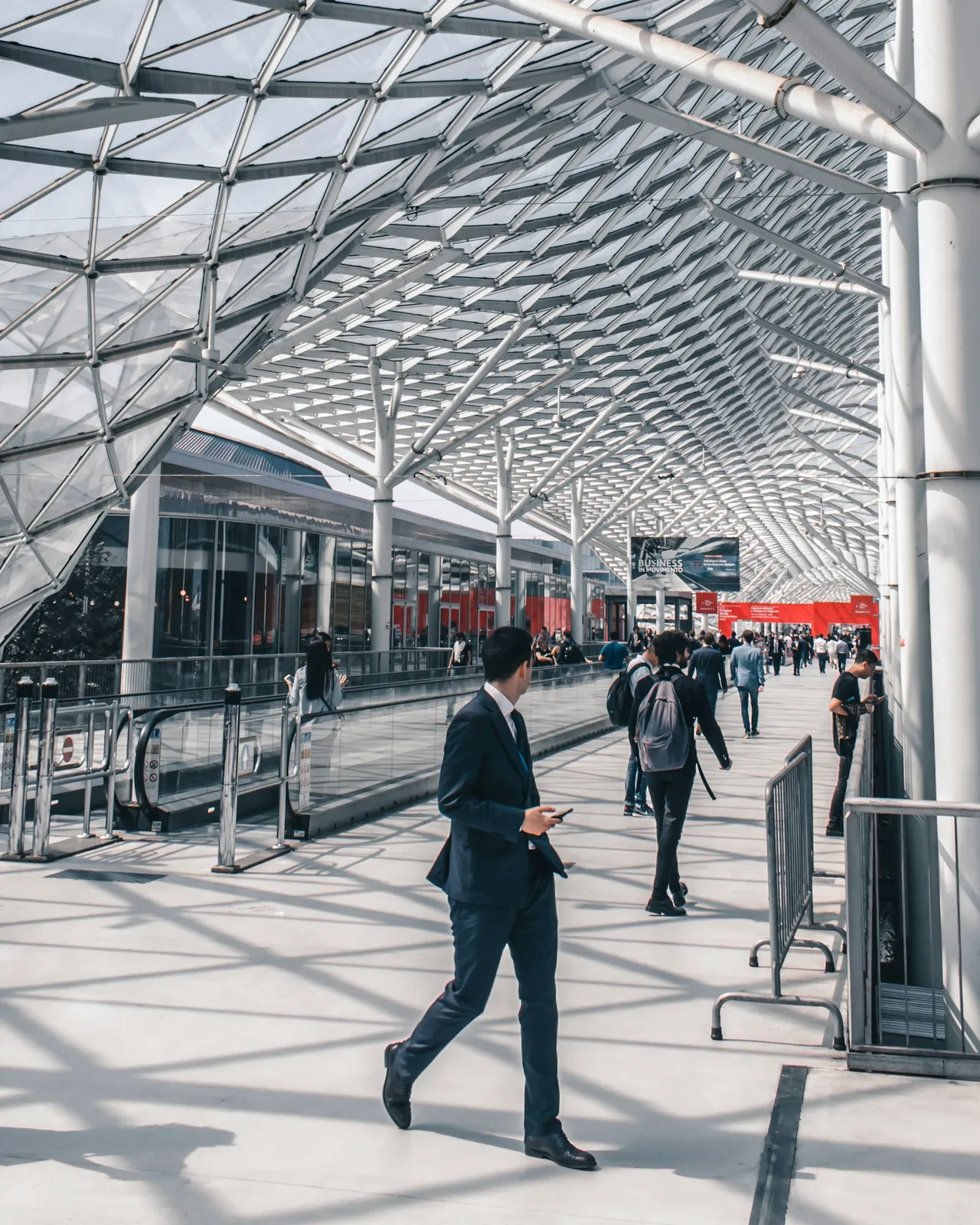
Our original report began on a busy Sunday at the Fortezza da Basso. Taste had brought producers and visitors together in Florence, and the rooms felt full of competing invitations to stop, taste and talk. That impression belongs to the visit; it is not an audited attendance claim.
The 2026 edition ran from 7 to 9 February. For Tiplr, the point was not to compile a league table of Italy’s food. It was to notice where an encounter became more interesting than the name on a stand.
A fair encourages speed. There is always something else within sight, and the temptation is to keep collecting tastes. The discoveries that stayed with us came when we slowed down enough to hear what someone was making and why.
Small encounters that stayed with us
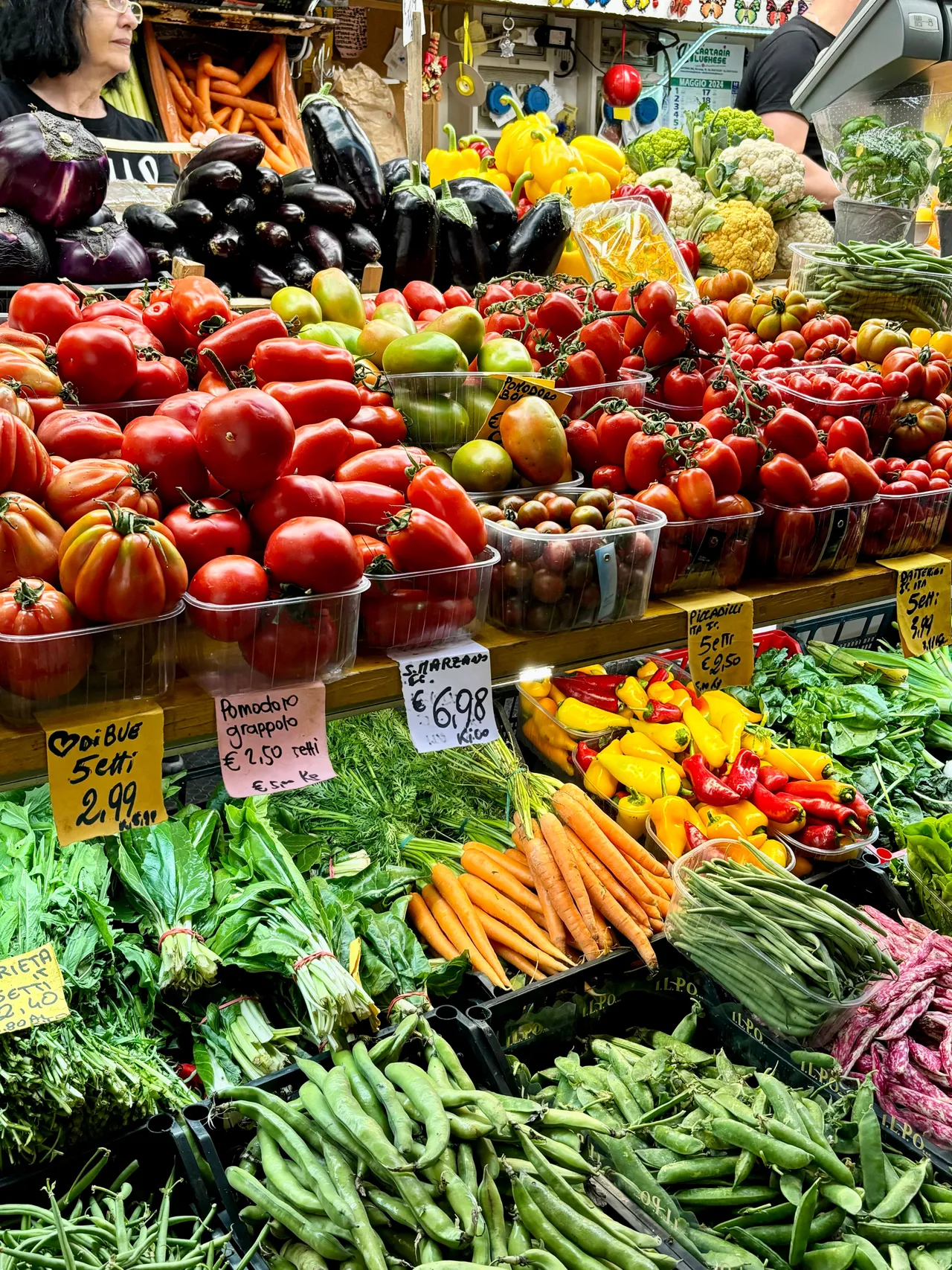
Bacalini’s prosciutto and Migliori’s olive ascolane were among the tastes recorded in the original notebook. Re Garum drew attention in a different direction, towards broth and fermentation. These were personal highlights from that day, not a claim that one product outranked everything else at the fair.
That distinction matters. A food story is more useful when it tells you what caught someone’s attention than when it converts one afternoon into a universal verdict. The pleasure here was in moving between traditions and approaches without expecting them all to answer the same question.
There was also value in staying with a producer long enough to move beyond the first explanation. A sample gives you a flavour; a conversation can give it context.
Fermentation, without the health halo
A discussion involving food journalist Anna Prandoni brought fermentation into focus. In the original report, Kimchi Pop and Re Garum became examples of how a familiar idea can travel between people, places and culinary traditions.
Kimchi Pop’s Korean-Italian story, with a New York chapter before Italy, was part of what interested us. It made fermentation feel connected to lived experience rather than simply a fashionable word on a menu. Re Garum suggested another way to think about the depth and usefulness of flavour.
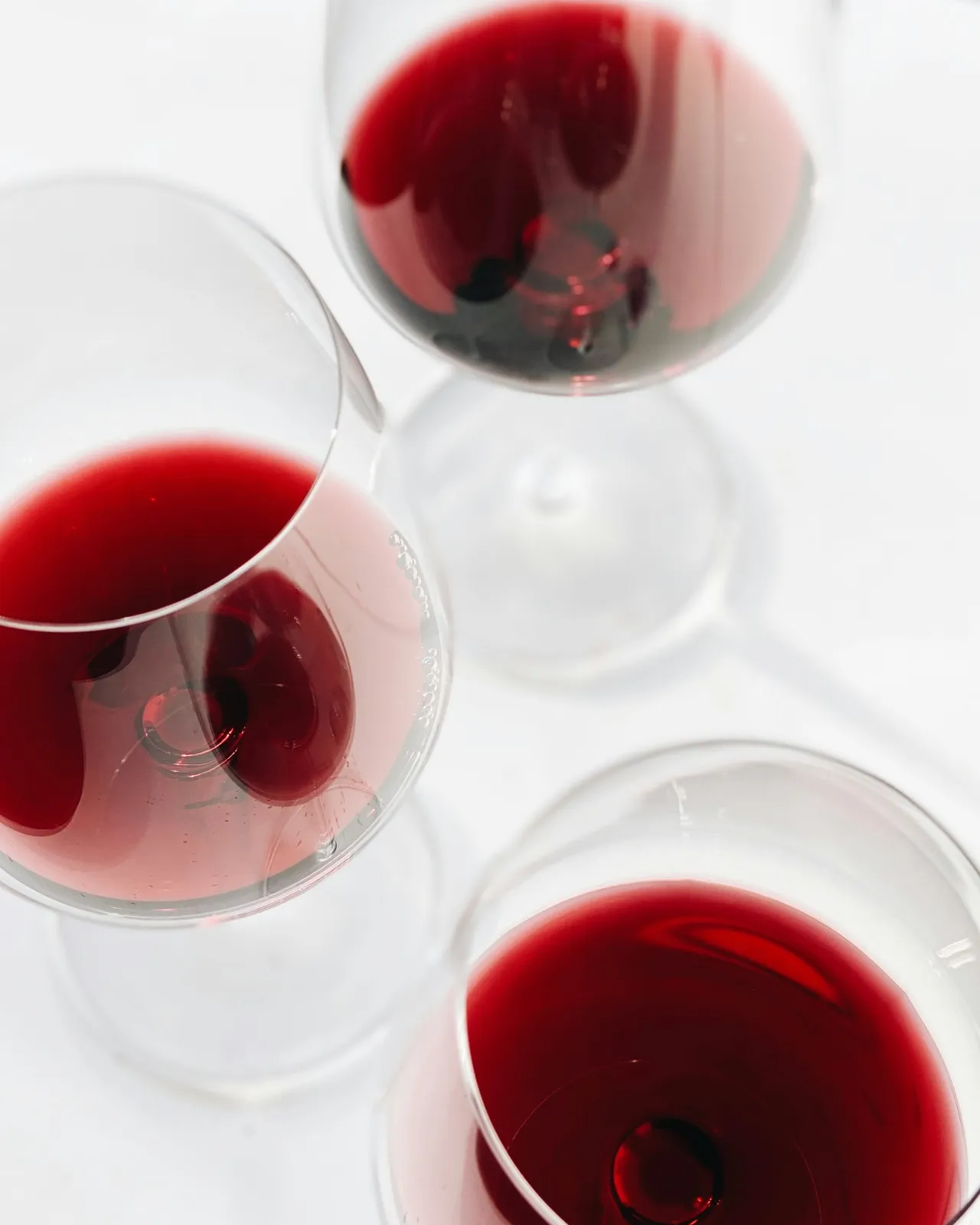
What this report does not do is turn that interest into a medical claim. Fermented food is not a blanket promise of improved digestion or health. Here, the subject is taste, technique and the people working with them.
When the fair moved into the city
The original visit continued beyond the Fortezza into Fuori di Taste encounters. At a Forketters gathering at W Florence, the notes recorded Kombwine associated with Andrea Moser, Coda Nera salmon and Savini Tartufi. The appeal was the shift from a stand-by-stand visit to a more social setting.
Those names describe the event we reported, not products guaranteed to be on a hotel menu today. Nor should the original shorthand around an alternative drink be read as a verified alcohol-content claim; check the product itself if that matters to your choice.
W Florence provided one setting for that wider city programme. Its current dining information is separate from the February event. This revision also removes the original’s incorrect reference to the building’s former hotel identity.
A different evening at Teatro del Sale
Teatro del Sale brought a different atmosphere to the story. The original account remembered Leonardo Romanelli, a connection with Rossini and an evening in which food and performance shared the room rather than competing for it.
Linfa from the Marche and Meletti appeared in the tasting notes. Anise, chocolate and anisetta gave the ending a distinctive register. It was not another version of the fair; it was a reminder that the city can give a food event several different afterlives in a single evening.
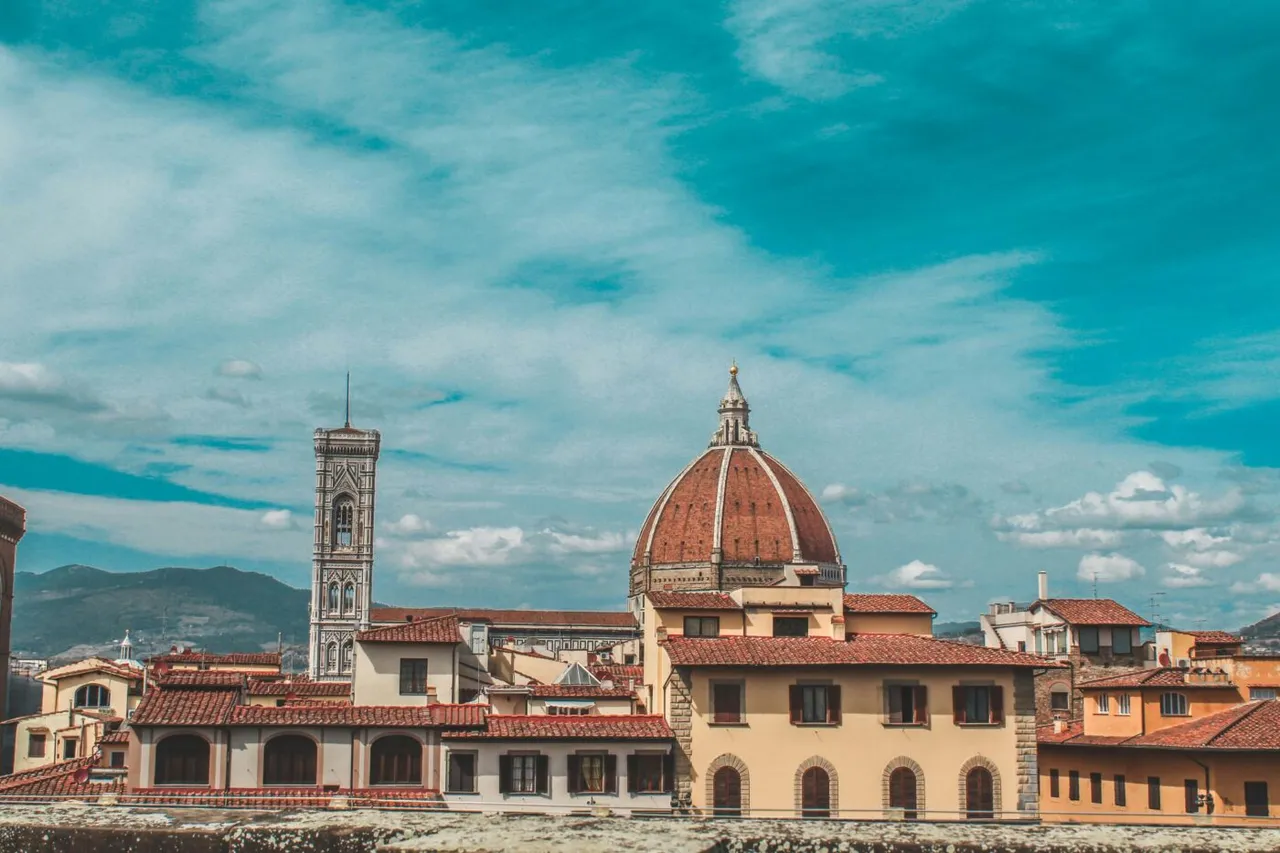
That is what made the visit feel Florentine rather than interchangeable with any trade show. The conversations did not stop at the exhibition doors, and the settings changed the way the food was experienced.
What we would carry into another visit
Arrive curious, not determined to cover everything. Make time for a producer whose work you do not yet understand. Write down what interested you before the next sample displaces it. If you are booking a future edition, check Pitti Taste’s official information for the dates and admission rules; the 2026 schedule should not be reused.
For another look at regional producers, read our updated context for Eccellenza di Toscana. Or stay with the city itself through Florence at a slower pace. Both begin from the same belief: a place becomes more interesting when you pay attention to the people making it.
More perspectives on Florence, a Tiplr Smart Destination.
About this edition
Revised by the Tiplr Editorial Team from our original 2026 article. Official references are linked where they help you check dates, access or services. Past event details are retained as historical context. For a new trip, confirm time-sensitive information directly before booking.