
A cuisine shaped by Guaraní knowledge
Paraguayan cooking cannot be reduced to a mixture of two cuisines. Guaraní ingredients, language and techniques continue through maize, cassava, yerba mate and medicinal herbs, while colonial and later immigrant histories added new animals, dairy products and preparations.
Menus vary by region and household. Ask how a dish is prepared instead of assuming that one restaurant’s version is definitive.
Chipa and chipa guazú
Chipa names a broad family of breads and cakes, often made with cassava starch, cheese and eggs. The familiar ring-shaped chipa is portable, savoury and sold in bakeries, markets and along travel routes. Texture and seasoning vary widely.
Chipa guazú is different: a tender corn preparation commonly served beside grilled meats or at family gatherings. “Guazú” means large in Guaraní, a reminder that the language is part of understanding the food rather than decoration around it.
Sopa paraguaya is not a soup
Despite its name, sopa paraguaya is a baked corn dish, closer in form to a rich cornbread than a liquid soup. Onion, cheese, milk, eggs and cornmeal or fresh corn create a firm but moist slice served with meals and celebrations.
The popular origin story involving an accidental preparation for President Carlos Antonio López is often repeated, but should be treated as culinary folklore rather than a fully documented fact.
Tereré: a drink and a social practice
Tereré is prepared with yerba mate and cold water, often with pohã ñana—fresh medicinal or aromatic herbs. The shared ritual, knowledge of plants and Guaraní language around it matter as much as refreshment on a hot day.
UNESCO inscribed the practices and traditional knowledge of tereré on its Representative List of the Intangible Cultural Heritage of Humanity in 2020.
Mbejú, vori vori and river fish
Mbejú is a cassava-starch and cheese preparation cooked into a flat, crumbly cake. Vori vori is a sustaining broth with small corn-and-cheese balls. River fish such as surubí appear grilled, breaded or in soups, connecting the table to the Paraguay and Paraná river systems.
Beef, empanadas and milanesa are also common, but travelers who do not eat meat can still look for corn, cassava, cheese and vegetable dishes. Ask about stock and cooking fat, because a dish that appears vegetarian may not be prepared that way.
Taste Paraguay through people and markets
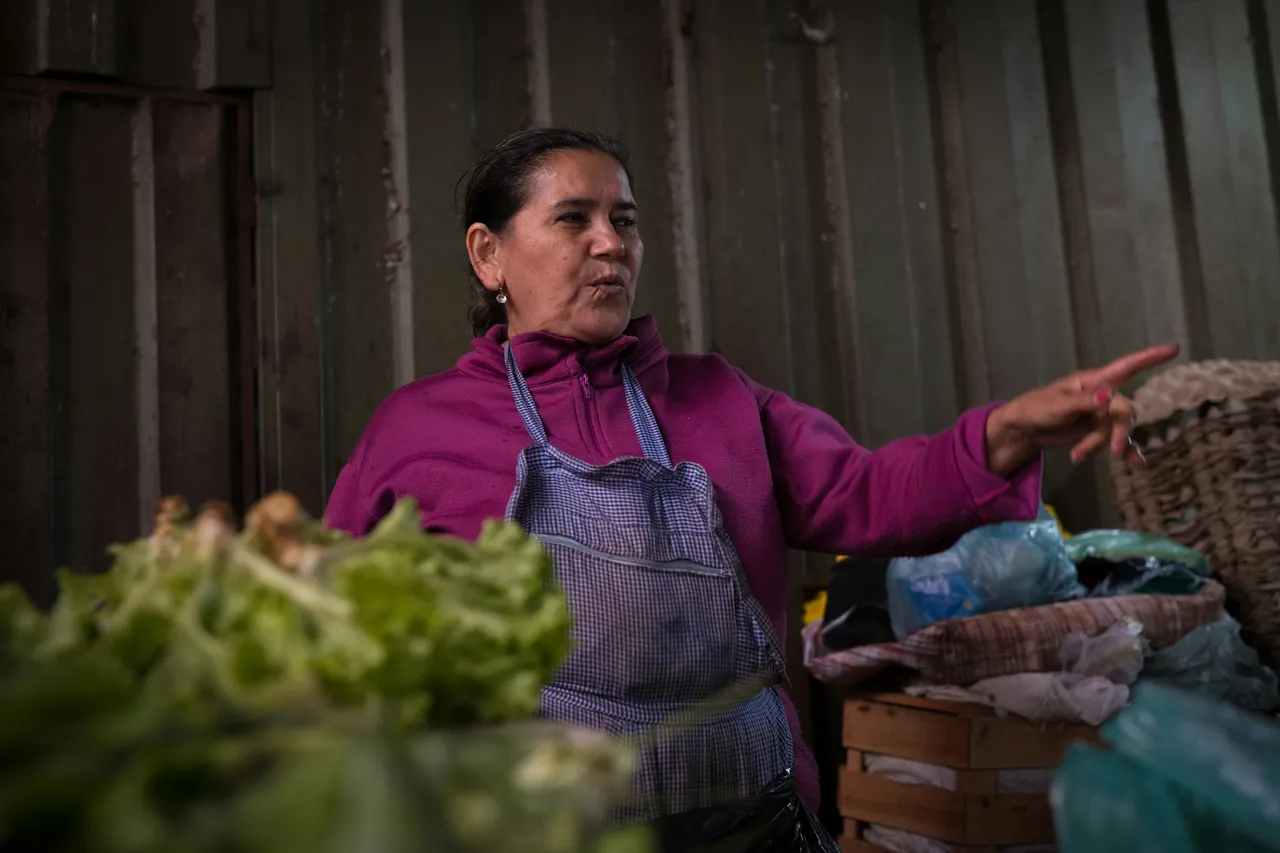
In Asunción, markets and long-running counters can provide more context than a generic “best restaurant” ranking. Ask what is fresh, share several small portions and learn the pronunciation of a dish. Opening times and businesses change, so verify them close to the visit.
The goal is not to complete a checklist. It is to notice how food, language, climate and hospitality meet in everyday life—then let that understanding shape the rest of the journey.
More perspectives on Paraguay, a Tiplr Smart Destination.
About this edition
The original dishes remain, with clearer cultural context, careful treatment of culinary folklore and current recognition of tereré as living heritage.