
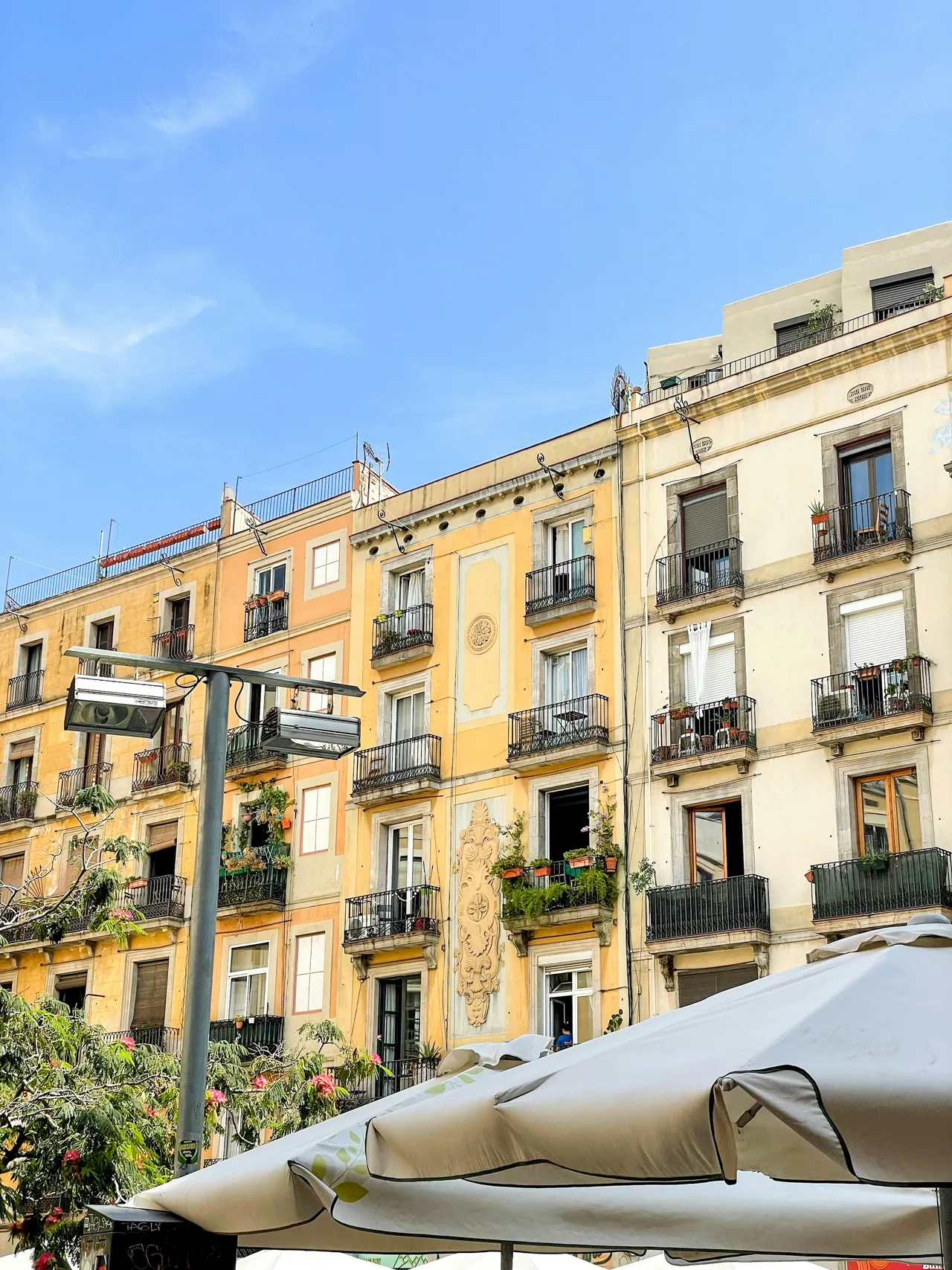
The original point of view
Barcelona is a city incredibly close to my heart. It’s where I’ve lived for nearly three years, and it still excites me to this day. Sandwiched between mountains and Mediterranean, and packed with stunning architecture and exciting sights, it’s a place with so, so much going for it, and so, so much going on. Cities like this don’t go unnoticed, however, and as parts of Barcelona struggle to keep their charm and authenticity against tacky tourism and globalization, this article aims to shed some light on the real, authentic Barcelona – from the eyes of a casi local.
I’m going to start this with the places you can – and can’t – avoid, of the city’s famed sites. Nowhere better to crack us off than La Sagrada Familia , the epic brainchild of the great Antoni Gaudi. This is something you need to see and no visitor to BCN should miss it. Gaudi’s gigantic temple is an astonishing piece of art, as impressive from the inside as it is out. The park of Montjuic up on the hill overlooking the city is a great spot and is so big you can feel totally alone in a lot of areas. La Rambla, Barcelona’s most famous street, is definitely a place to avoid if you’re after authenticity, while the venue itself is beautiful, it’s now hugely overcrowded and painted with tacky souvenir shops, dodgy overpriced tapas restaurants, and about as Catalan as an Irish Pub in Benidorm.
The majority of tourists to Barcelona go to Barceloneta beach. It’s the closest to Les Ramblas and most tourist accommodation and has been made famous in ads and pictures due to it sitting next to the sail-shaped glass-covered W-hotel. The W is, however, just a hotel, and the heavily overcrowded beach here is dirty and avoided by locals at all costs.
The beaches generally get better the further up the coast you go. If you’re on a tight schedule or don’t fancy getting on a train, head to the beach at Bogatell/Marbella for a cleaner, more relaxed vibe with actual Catalan people. Better still, if you hop on a train for half an hour north you have the beach at Montgat Nord which is empty and peaceful. Towards the south of the city on a half-hour train, there’s the long wide beach of Castelldefels , famous for windsurfing and being the home of many FC Barcelona players.
Wander around the touristy gothic neighborhood for half a day and see the cathedral and churches, then forget about it if you want to see the most authentic parts of the city. Check out the traditional, yet artsy and bohemian district of Gracia . It’s streets inhouse great bars and restaurants, galleries and quirky shops. One of the top spots to recommend here is Placa del Sol, a big open square in the center of Gracia full of activity and decent bars and tapas joints where you can sit outside, the best of these being a place called Sol Soler . Wander from here through Gracia’s pretty streets and you’ll stumble upon lots more lovely little plazas and parks.
The neighborhood of El Born is another that offers a unique insight into the city, with a very distinct feel to it. This is more central than Gracia, sitting next to El Gotico and Barceloneta , and has loads of good bars and restaurants to try out, as well as Galleries like the Picasso Museum and many smaller more independent ones. El Born is also right next to Parque De La Ciutadella – a great spot to walk around or picnic in on a sunny day.
El Raval is an area that splits opinions, but I love it. It’s Barcelona’s most multicultural barrio and it offers something very different in terms of its shops and restaurants to any other in the city. The hipster area around the modern art museum MACBA and Carrer de Joaquin Costa is full of vintage clothing shops, record and skate shops, affordable bars and decent places to eat, and no shortage of skaters. Raval also boasts the most amount of open spaces for grabbing a drink outside on a hot day, as well as parks to relax in.
Plan the current version
Use this story as inspiration rather than live operational guidance. Confirm entry rules, transport, opening times, reservations, accessibility, safety advice and local conditions through primary sources close to departure.
Build the day geographically, choose fewer experiences with more time, and prefer people and businesses that add real local context. Details from an archive can start a question; they should not end the research.
Continue with Barcelona, a Tiplr Smart Destination.
About this archive edition
The historical URL and original publication date are preserved. Advertising, expired promotions, unsupported practical claims and images without a clear rights record were not carried into this edition.