Walking is central, not universal
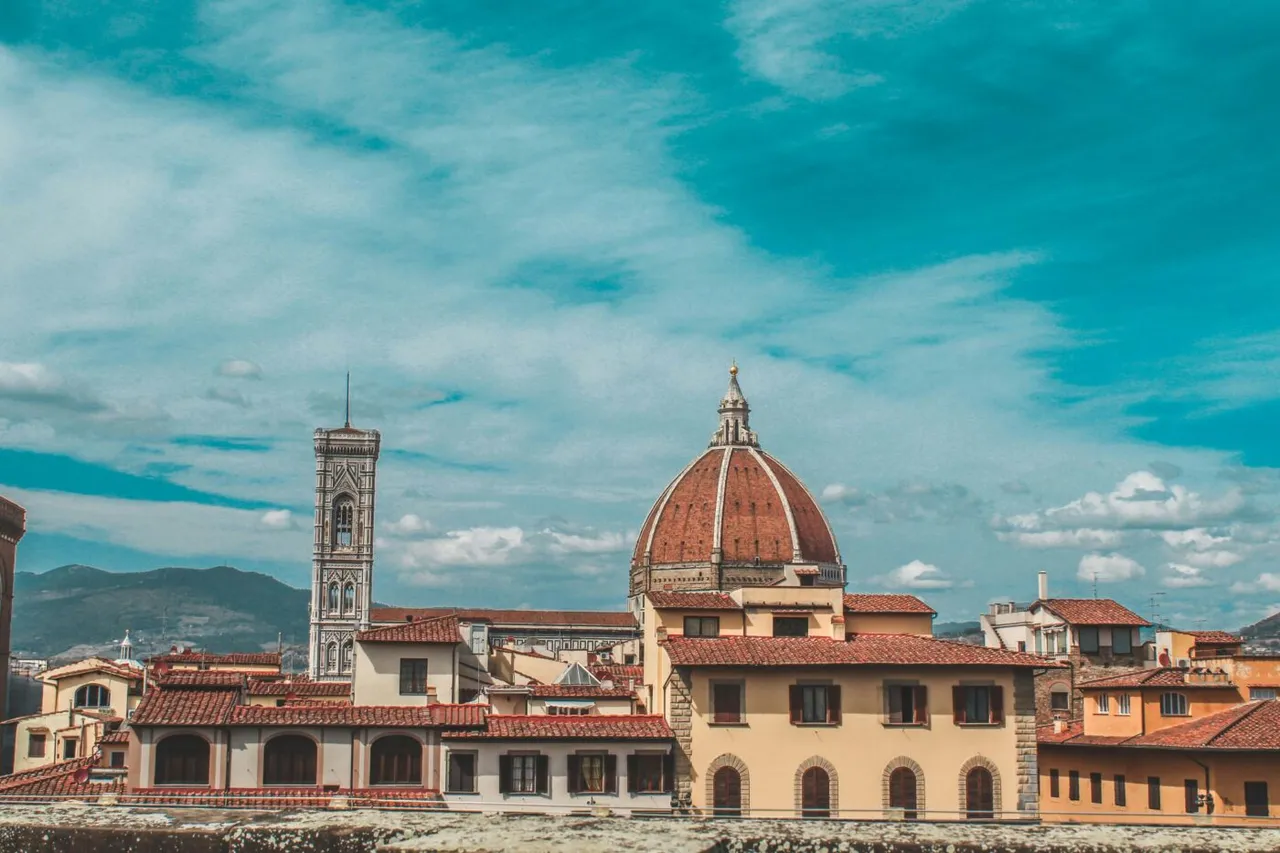
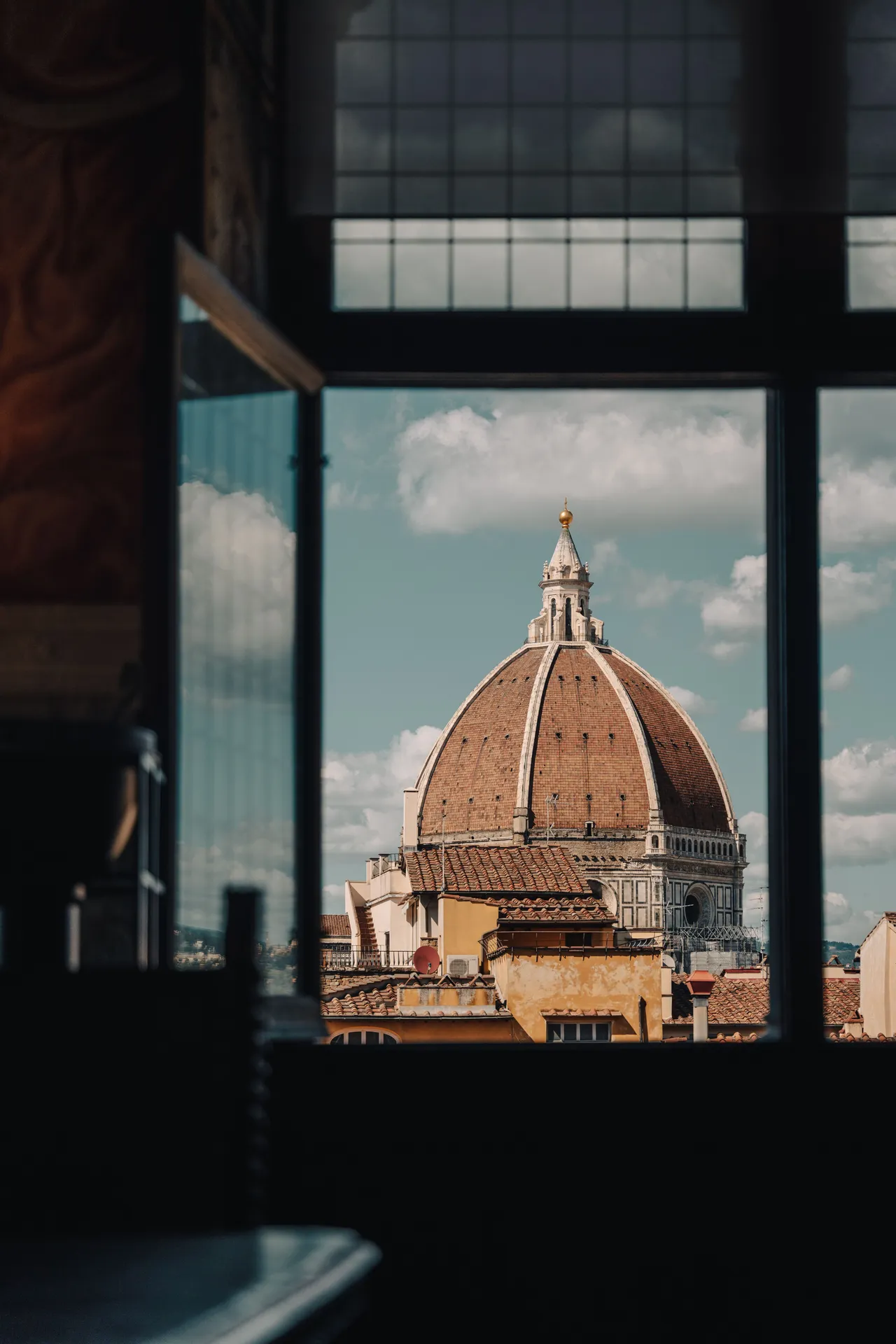
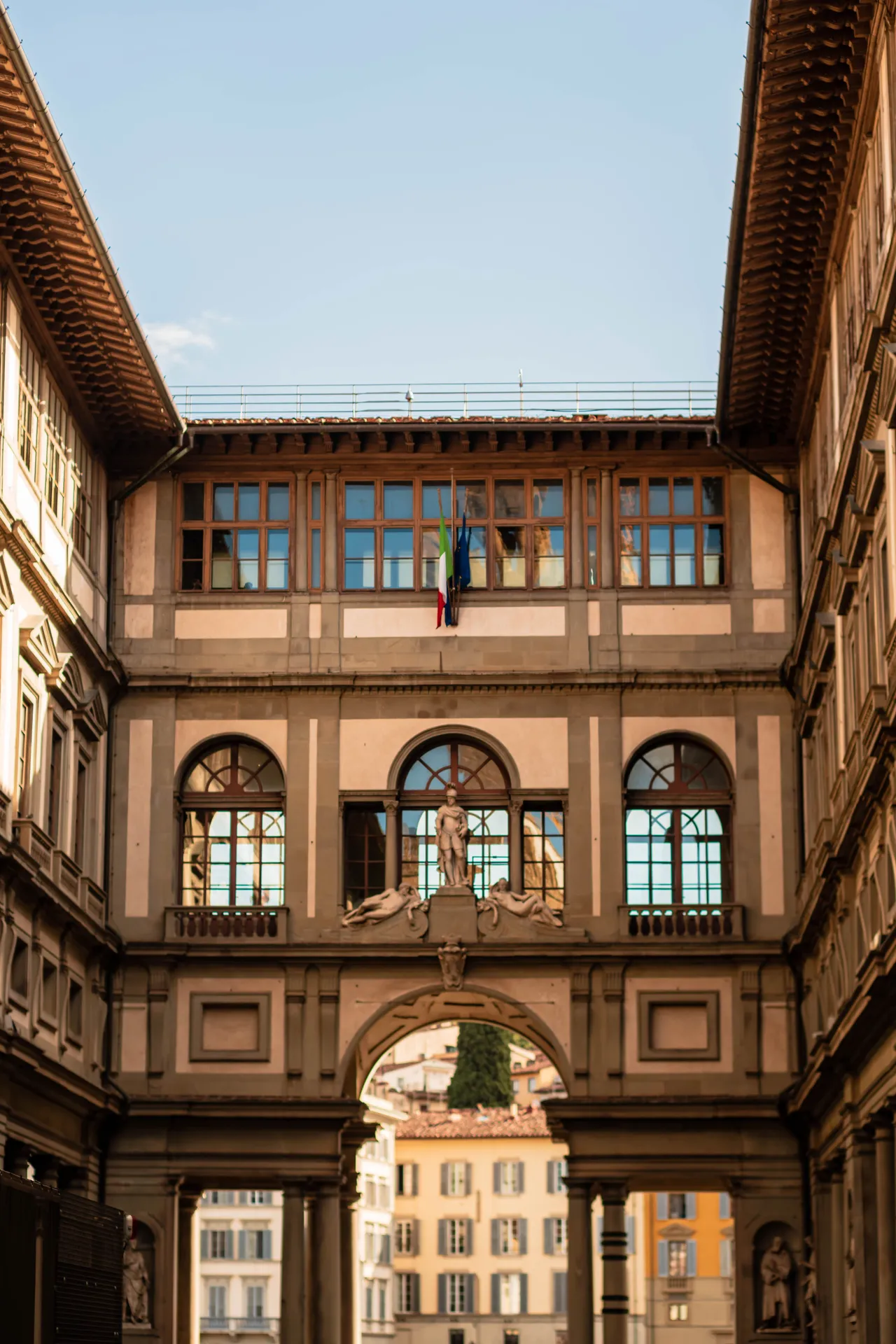
The Duomo, Piazza della Signoria, Uffizi and Ponte Vecchio sit within a walkable historic core. The pleasure of moving between them on foot is real, but cobbles, heat, crowds and distances can make the same route demanding for different travelers.
Build in rests and check accessible routes where needed. Florence should not be described as “easy” simply because landmarks look close on a map.
Florence has two tram lines
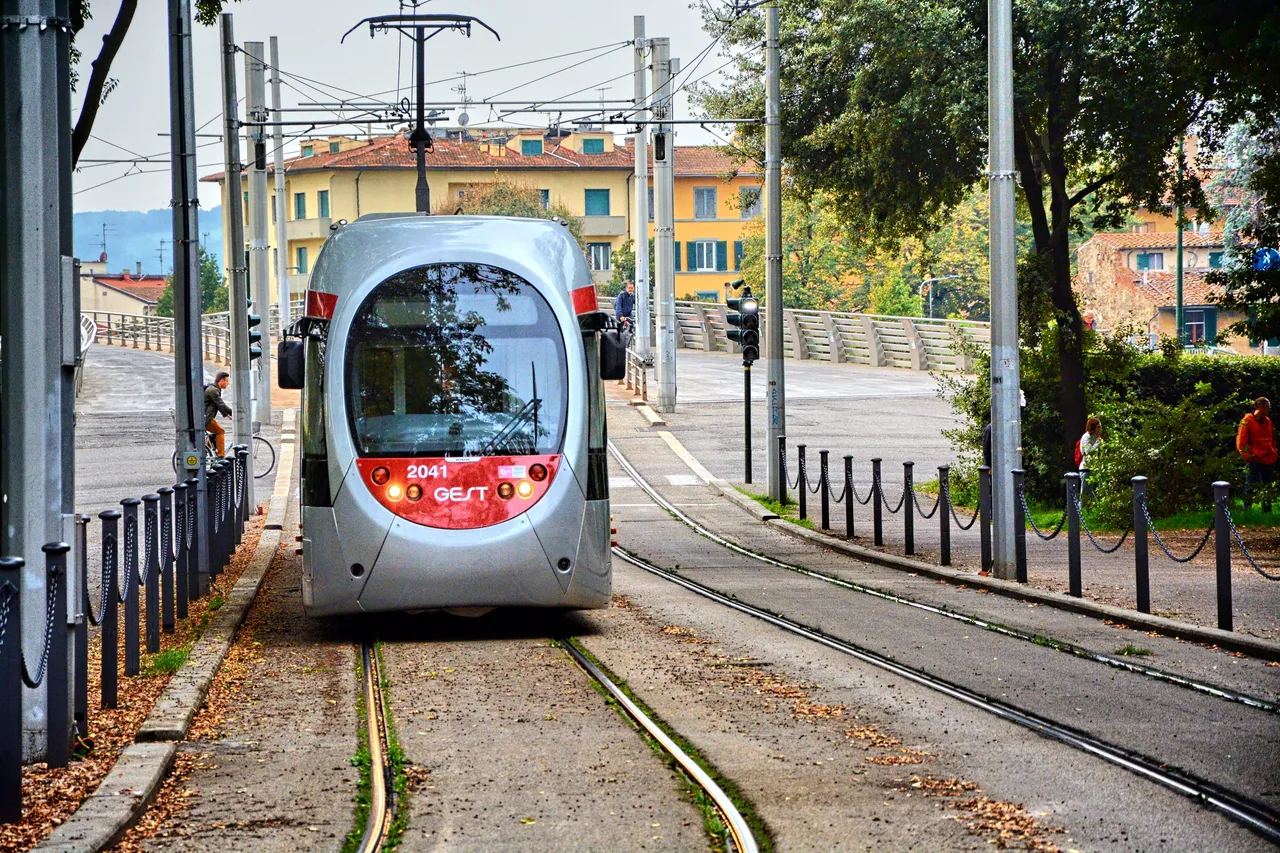
The previous article incorrectly said that Florence had three operating tram lines. The current network consists of T1 and T2. T2 links the airport with the centre; check the official tram operator for the route, service notices and first or last departures.
The tram is useful for particular corridors, not every journey inside the old centre. A short walk or bus may still be required at either end.
Tickets, buses and validation
Autolinee Toscane runs the regional bus network and sells Florence urban tickets in paper, digital, contactless and other formats. A Florence urban ticket is currently valid for 90 minutes from validation or activation, but fares and rules can change.
Use the official ticket guide, activate or validate correctly, and keep the ticket available for inspection. Do not copy an old price into your trip budget without checking it.
Taxis, cars and the ZTL
Use taxi ranks, dispatch services or recognised apps rather than assuming you can hail any passing car. Confirm estimated costs and surcharges with the operator. App-based availability does not mean every ride category operates like an ordinary taxi.
A rental car is usually more useful for the countryside than for central Florence. The ZTL uses controlled access and cameras; your hotel or rental company should explain access and parking before you drive towards the centre. A navigation app does not grant permission to enter.
Bikes and scooters
Shared bikes and scooters can help on some routes, but pedestrian streets and busy spaces require care. Check the operator’s current service area and parking rules, and never assume a vehicle shown in an old article still operates under the same brand or conditions.
For an unfamiliar city, a bicycle is not automatically the safest or fastest choice. Consider traffic confidence, weather and where the route leaves protected infrastructure.
Day trips: train first, then the whole route
Pisa and Lucca fit naturally with rail planning. Siena may involve rail or bus depending on the journey; Autolinee Toscane distinguishes the faster 131R from services with intermediate stops. Compare the complete trip, not only the headline travel time.
For rural wineries or dispersed villages, a driver or car may be more practical — particularly if alcohol is involved. For a Florence-centred plan, see our 72-hour itinerary.
More perspectives on Florence, a Tiplr Smart Destination.
About this edition
Revised from the original 2025 article. Primary links help verify time-sensitive information; confirm services, prices and bookings directly.